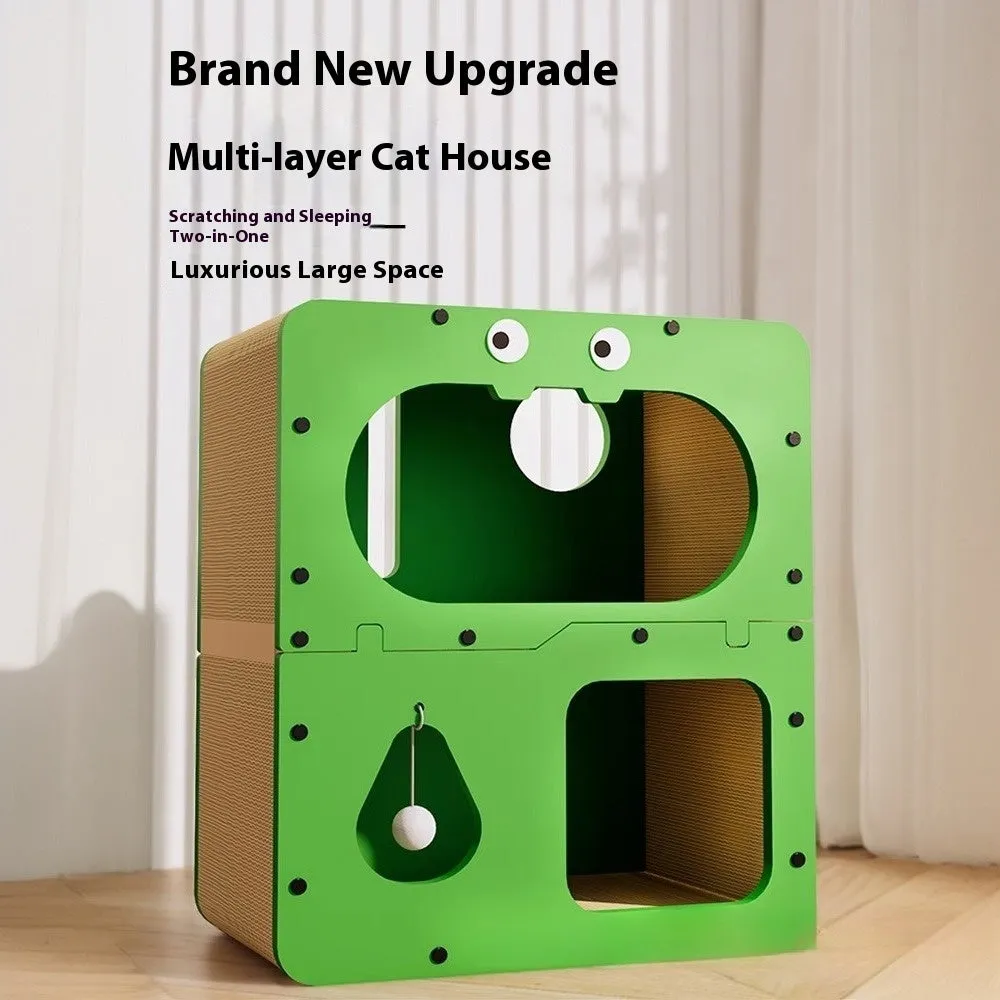
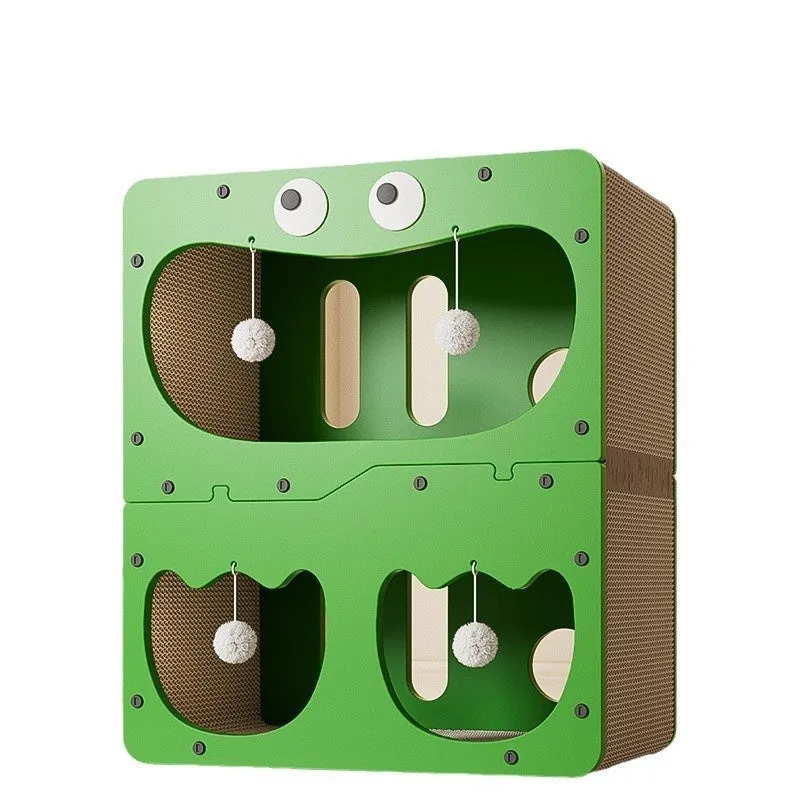
Double Layer Cat Scratching Board and Bed with Four Seasons Universal Design - Wear-Resistant Non-Chip Cat Nest in Big Eyes, Cat Head, Double Door, or Owl Cute Style Options


Double Layer Cat Scratching Board and Bed with Four Seasons Universal Design - Wear-Resistant Non-Chip Cat Nest in Big Eyes, Cat Head, Double Door, or Owl Cute Style Options
Double Layer Cat Scratching Board and Bed: A Wear-Resistant, Non-Chip Cat Nest
This product combines two essential feline needs into a single, space-saving unit: a dedicated scratching surface and a comfortable resting nest. Designed to be universal for cats across all seasons, its primary appeal lies in its dual-functionality and durable construction. The manufacturer highlights its wear-resistant and non-chip properties, aiming to provide a long-lasting alternative to standalone scratching posts or simple beds. With several distinct style options available, from playful animal shapes like owls and cat heads to simpler double-door designs, it also offers an aesthetic choice for pet owners looking to add a cute element to their living space. This guide details what is known about the product's construction, use cases, and value based solely on the provided information.
Features and Construction
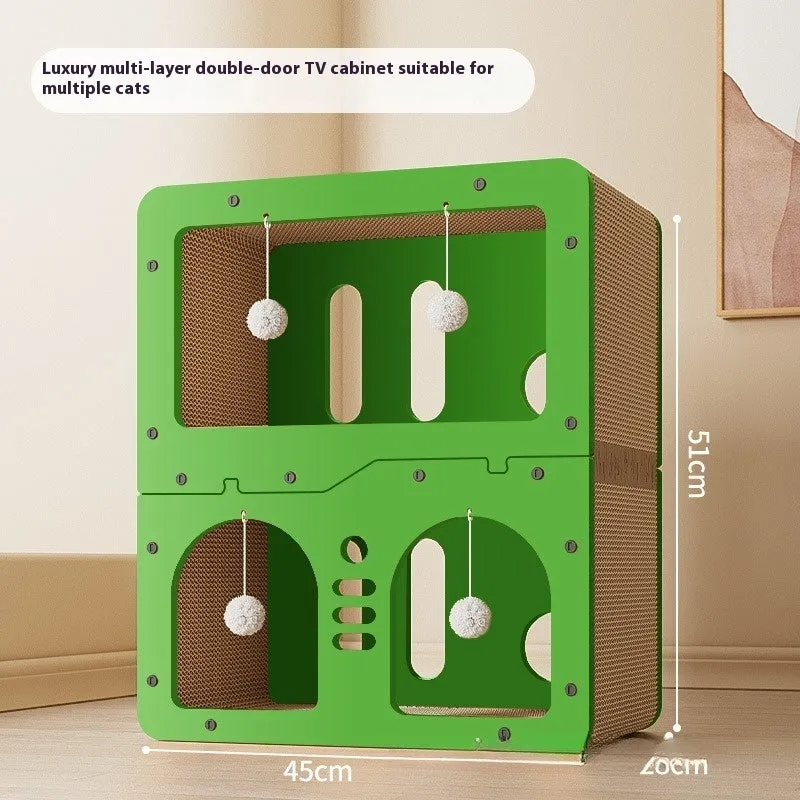
The core design principle is integration. By merging a scratching board with a bed (referred to as a 'nest'), the product addresses clawing instincts and resting behaviour in one piece of furniture. This can be particularly useful in homes with limited space or for owners seeking a consolidated pet furniture solution. The construction is specified as 'double layer,' though the exact relationship between the scratching surface and the nesting area is not detailed—they could be stacked, adjacent, or integrated in another configuration.
Material and Build
The source text explicitly states the product is 'wear-resistant' and 'non-chip.' These terms indicate the scratching surface is designed to withstand repeated clawing without breaking apart or shedding large, potentially hazardous fragments. This is a practical benefit for cat safety and reduces maintenance, as there is less debris to clean. However, without specific material names (like sisal, carpet, or cardboard composition) or density ratings, it's not possible to compare its texture or longevity against other materials on the market. The 'double layer' build suggests separate materials or densities might be used for the scratching zone versus the cushioned nest area.
Size and Practical Fit
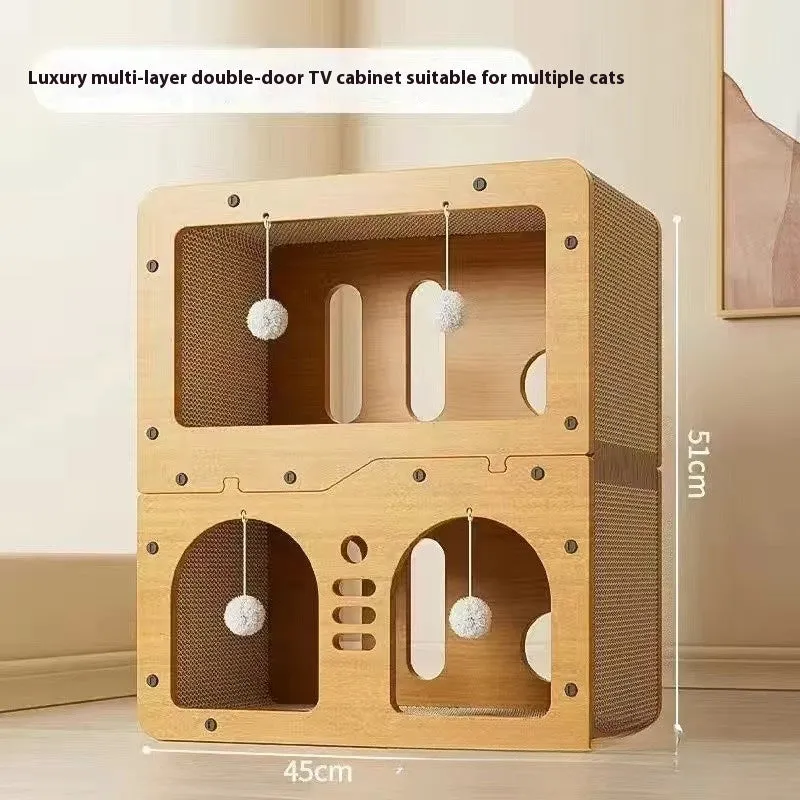
No dimensions—height, width, depth, or weight—are provided. This is a significant gap for buyers needing to assess if the product will fit in a specific alcove, corner, or room. The term 'universal' implies it is intended to accommodate cats of various sizes, but without measurements, it's unclear if it's suitable for very large or multiple cats simultaneously. Prospective buyers should consider the space they have available and may need to contact the seller for exact size details before purchase, especially since it serves as both an activity centre and a bed.
Uses and Placement

The product's dual nature dictates its primary uses. It is intended for domestic environments where cats live indoors full-time or have regular access to the home. The 'four seasons' mention suggests it is designed for consistent use year-round, not being seasonal or weather-dependent. Placement strategy is key to maximising its utility; positioning it in a common area where the cat already spends time can encourage natural adoption for both scratching and sleeping.
Event or Professional Use
While primarily aimed at home use, the durable 'wear-resistant, non-chip' claims could make it a candidate for settings where multiple cats interact with the same furniture, such as in catteries, small-scale breeding environments, or cat-friendly holiday rentals. In these scenarios, the product's resilience to heavy use and its easy-to-clean nature (implied by the material description) would be advantageous. The lack of precise material details, however, makes it difficult to recommend for high-traffic professional environments without further information on hygiene protocols or load capacity.
Everyday Home Use
For the average household, this product aims to satisfy natural scratching behaviour, potentially diverting cats from sofas, curtains, or carpets. The integrated nest provides a defined, cosy spot for the cat to rest, which can help with territory establishment and reduce clutter from multiple separate beds and posts. The variety of styles—Big Eyes, Cat Head, Double Door, Owl, and primary colour variants—allows owners to select a design that complements their interior decor, adding a functional yet cute accessory to the room.
Benefits and Buying Value

The value proposition centres on consolidation and durability. Instead of purchasing a separate scratching post and a cat bed, this product offers both in one unit, which can represent a space-saving and potentially cost-effective solution. The stated 'wear-resistant' and 'non-chip' properties focus on longevity, suggesting the product is built to endure regular use without significant degradation, which could offer better long-term value than cheaper, less durable alternatives.
Reuse and Low Maintenance
The non-chip characteristic implies low maintenance, as there should be minimal debris from scratching to clean up regularly. A durable, wear-resistant surface is also less likely to require frequent replacement. The product is a fixed unit, so its value is realised through extended use over time. Without information on removable or washable covers for the nest section, care instructions are minimal; a simple wipe-down of hard surfaces is likely the extent of maintenance supported by the given details.
Why Choose This Product
Choose this product if you seek a combined scratching and sleeping solution for your cat and value durability claims ('wear-resistant, non-chip') over precise material specifications. The range of cute styles is a clear differentiator if aesthetics are important. It may be less suitable if you require specific dimensions for a tight space, have preferences for known scratching materials like sisal rope or corrugated cardboard, or need detailed care instructions for washable components. The decision hinges on prioritising the integrated design and stated resilience in the absence of full material transparency.