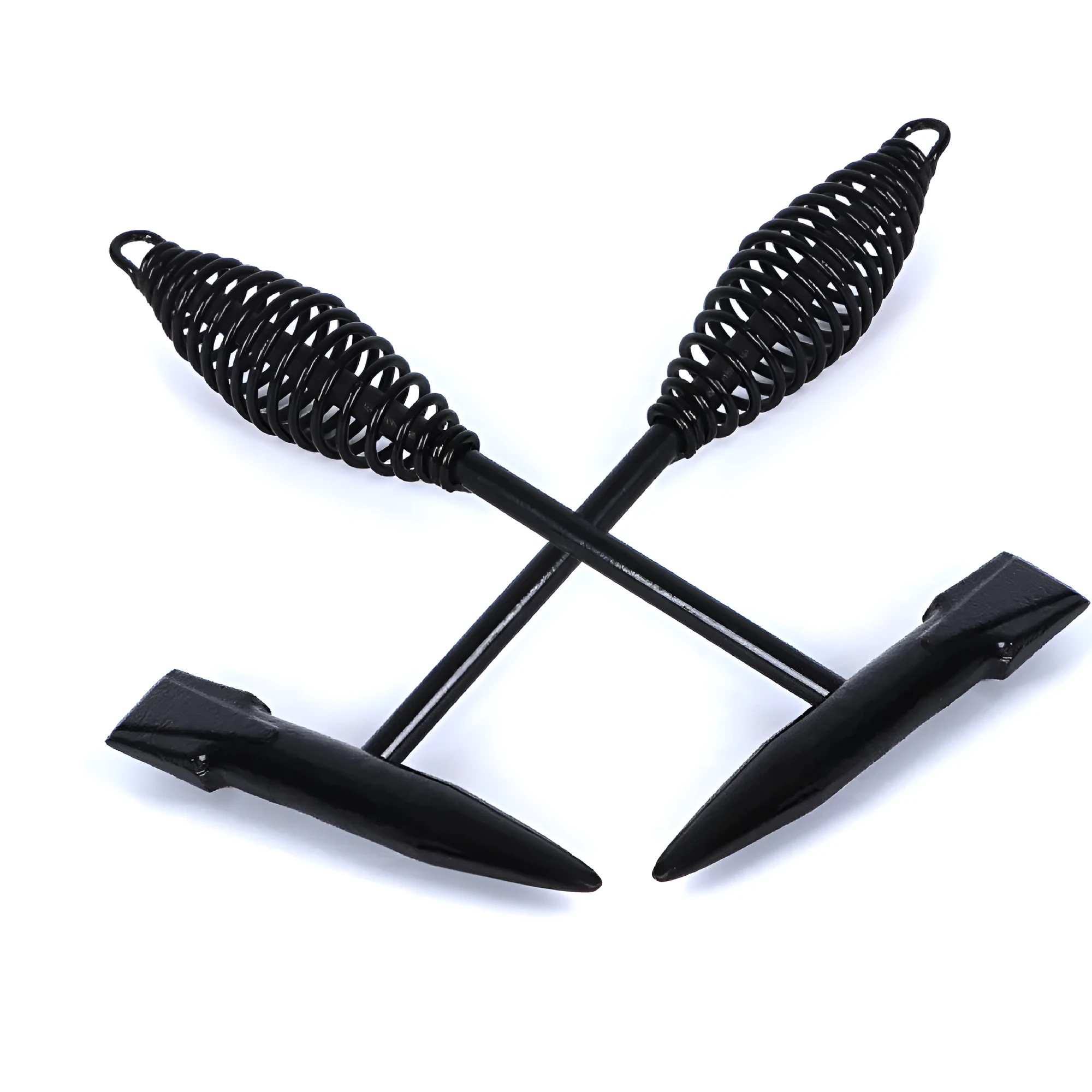
Electric welding slag hammer with spring handle for slag tapping and rust removal tasks in decoration and maintenance work, available in 250g, 300g, 500g and 700g high carbon steel head weight options


Electric welding slag hammer with spring handle for slag tapping and rust removal tasks in decoration and maintenance work, available in 250g, 300g, 500g and 700g high carbon steel head weight options
Electric Welding Slag Hammer with Spring Handle for Decoration and Maintenance Tasks
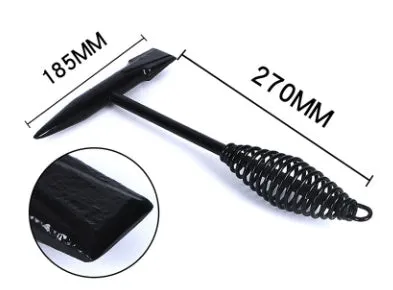
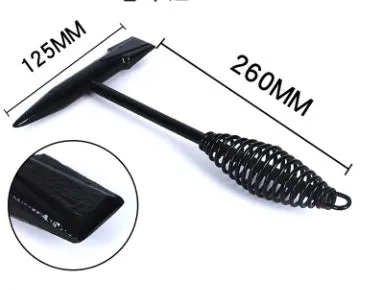
This specialised hammer is designed for the dual purposes of tapping off welding slag and removing rust, key steps in many metal decoration and maintenance projects. Its construction focuses on practicality, with a high carbon steel head and a spring steel shank that forms the handle. Available in four precise weight options, it allows tradespeople and DIYers to match the tool's heft to the specific demands of the job, from light cleanup to more stubborn rust removal.
Features and Construction
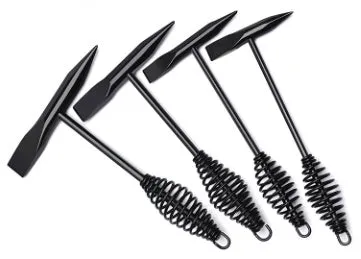
The hammer's design is centred on its core functions in workshop and site environments. The choice of materials and the availability of multiple weights are its primary defining characteristics, offering a straightforward tool for specific, repetitive tasks.
Material and Build
The hammer head is made from high carbon steel, a material chosen for its hardness and ability to withstand repeated impact against slag and rust without deforming easily. The handle is not a separate piece but is formed from the spring steel shanks, which are integrated into the head. This spring steel construction is intended to flex slightly under impact, helping to dampen the vibration transferred to the user's hand during use.
Size and Practical Fit
The most significant sizing element is the hammer's weight, which directly affects its striking force and user fatigue. It is offered in four distinct options: 250g, 300g, 500g, and 700g. A lighter 250g or 300g hammer may be suited for finer work or prolonged use on softer slag, while the 500g and 700g options deliver more force for breaking up tougher rust or thicker slag deposits. Selecting the correct weight is the main consideration for practical fit to the task.
Uses and Placement
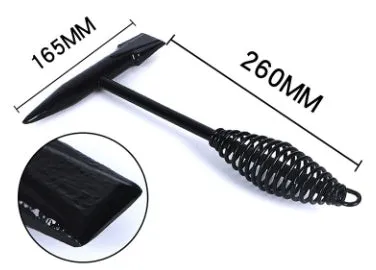
This tool has a defined scope within decoration and maintenance work, focusing on post-welding and surface preparation tasks. Its use is situational, tied directly to working with metals that have been welded or have corroded.
Event or Professional Use
In professional settings such as fabrication workshops, metalworking shops, or on maintenance crews, this hammer serves as a dedicated tool for post-weld cleanup. After a welding pass, the slag coating on the bead needs to be removed to inspect the weld and prepare the surface for painting or further work. The spring handle can be particularly beneficial here, reducing hand fatigue for a professional who might use the tool frequently throughout the day.
Everyday Home Use
For the home DIY enthusiast engaged in metal-based projects like garden gate repair, building shelving, or restoring old metal furniture, this hammer addresses a common need. Rust removal is often the first step in such restoration work. Having a tool specifically shaped and weighted for chipping away scale can be more effective than using a general-purpose claw hammer, making it a practical addition to a well-equipped home workshop for decoration and maintenance tasks.
Benefits and Buying Value
The value of this product lies in its specialised design for a specific pair of tasks, the choice it offers in tool weight, and the potential for reduced user fatigue compared to a rigid-handled tool.
Reuse and Low Maintenance
As a simple striking tool with no moving parts or complex mechanisms, it requires minimal maintenance. Keeping the head clean and storing it in a dry place to prevent corrosion on the steel are generally sufficient. Its durability is derived from its high carbon steel construction, making it a tool that can be reused across multiple projects over time for consistent slag tapping and rust removal work.
Why Choose This Product
This hammer is chosen for its focused application. Instead of adapting a standard hammer, this tool is purpose-built with a head shape and material suited for slag and rust, and a handle designed to mitigate vibration. The availability of four weights is a key differentiator, allowing you to select a model that matches your typical project scale—lighter for detailed work, heavier for more forceful removal—providing a tailored fit for your decoration and maintenance needs.