
Portable hub balancer for small flat car wheel balancing with aluminium head and bull's eye level for DIY and professional use, accepts 1.5 to 4 inch diameter hubs for cars and light trucks on non-rust enamel base


Portable hub balancer for small flat car wheel balancing with aluminium head and bull's eye level for DIY and professional use, accepts 1.5 to 4 inch diameter hubs for cars and light trucks on non-rust enamel base
Portable Hub Wheel Balancer with Bull's Eye Level for Cars and Light Trucks
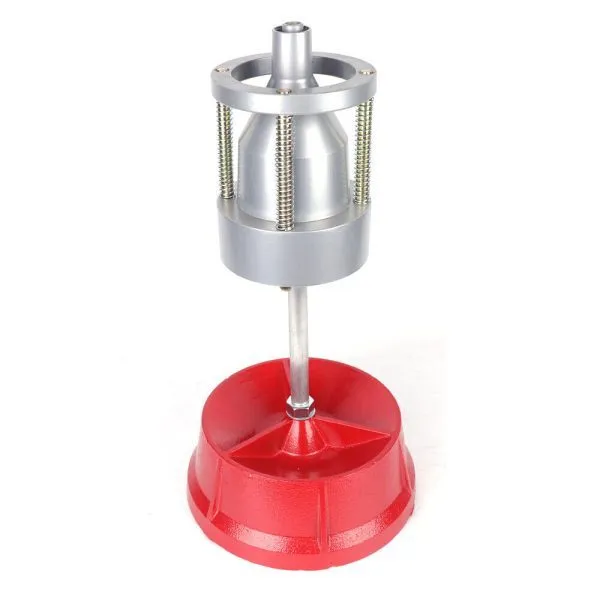
This portable hub balancer provides workshop technicians and DIY mechanics with a practical solution for wheel balancing tasks without requiring permanent installation or specialised workshop space. Designed for vehicles with hub diameters between 1.5 and 4 inches, the tool covers most passenger cars and light commercial vehicles that might require wheel balancing services. The 11 lb lightweight construction combined with the 24 inch working height creates a mobile balancing station that can be moved between work bays or transported to different locations as needed. With its bull's eye level for precision balancing and enamel-coated base resistant to workshop corrosion, this balancer offers both accuracy and durability in automotive maintenance environments.
Features and Construction

The hub balancer's design prioritises both functionality in workshop settings and ease of transportation between different work areas. Built around core automotive maintenance requirements, it provides the essential features needed for accurate wheel balancing without unnecessary complexity or specialised knowledge requirements.
Material and Build
Construction centres on durable materials suitable for workshop environments, beginning with the machine aluminium head that accepts wheel hubs. This aluminium component provides the necessary strength for balancing operations while maintaining a relatively lightweight profile compared to steel alternatives. The base features an enamel finish specifically noted for its non-rust properties, offering protection against the moisture and chemicals commonly present in automotive workshop settings. No additional material specifications or performance claims are provided beyond these stated construction elements.
Size and Practical Fit
With a total height of 24 inches, the balancer positions wheels at a comfortable working level for most technicians while maintaining stability during balancing operations. The 11.5 inch diameter base provides sufficient surface area to prevent tipping during use, with the enamel coating offering both corrosion resistance and a smooth working surface. Hub compatibility ranges from 1.5 to 4 inches in diameter, covering the majority of passenger vehicles and light trucks that would require periodic wheel balancing. The centre rod measures 0.813 inches with the hub itself being 1.495 inches across, creating the mechanical interface between the wheel assembly and balancing mechanism.
Uses and Placement
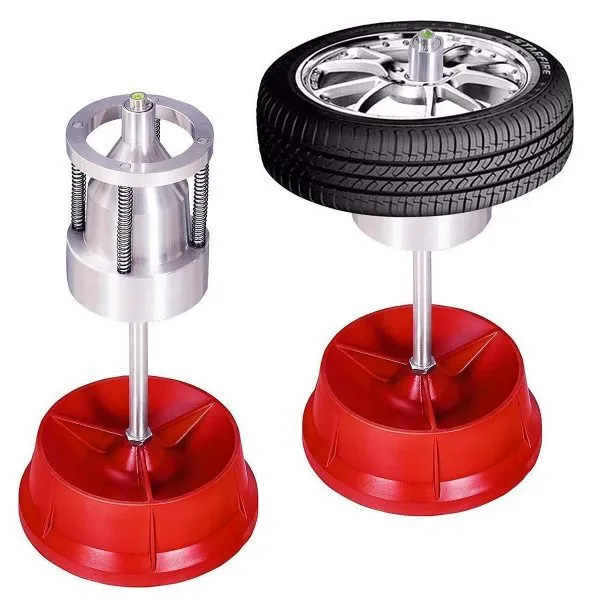
This portable balancer serves both occasional DIY wheel balancing tasks and more frequent professional applications where mobility between workstations or locations provides practical advantages. The design supports various automotive maintenance scenarios without requiring permanent workshop installation or dedicated floor space typically needed for larger balancing equipment.
Event or Professional Use
For professional mechanics and automotive workshops, the balancer offers a mobile solution that can be moved between service bays as needed, particularly useful in facilities with limited space for dedicated balancing stations. The tool's compatibility with hubs from 1.5 to 4 inches diameter makes it suitable for the majority of vehicles passing through typical repair shops, from compact cars to light commercial vehicles. The 11 lb weight allows easy transportation to off-site events, mobile repair services, or between multiple workshop locations without requiring specialised lifting equipment or excessive setup time at each new location.
Everyday Home Use
DIY enthusiasts maintaining personal vehicles benefit from the balancer's straightforward operation with the bull's eye level providing visual confirmation of balance without requiring specialised training or interpretation of complex digital readouts. Home workshops with limited permanent space can store the unit when not in use, bringing it out only when wheel balancing tasks become necessary during seasonal tyre changes or after wheel repairs. The enamel-finished base resists corrosion from occasional exposure to garage floor moisture or outdoor use during warmer months when many DIY automotive projects typically occur.
Benefits and Buying Value

The portable hub balancer delivers practical advantages through its combination of workshop functionality and transportation ease, providing value through reduced space requirements and operational simplicity compared to larger balancing equipment options.
Reuse and Low Maintenance
With its enamel-coated base designed specifically to resist rust, the balancer requires minimal maintenance between uses beyond basic cleaning and occasional verification of the bull's eye level's accuracy. The aluminium head construction avoids corrosion issues that might affect steel components in humid workshop environments, supporting repeated use across multiple balancing sessions without material degradation concerns. No specialised lubricants or protective treatments are mentioned as requirements, suggesting straightforward storage and preparation for subsequent use after initial setup and calibration.
Why Choose This Product
This balancer stands out for workshops and DIY users needing reliable wheel balancing capability without dedicating permanent floor space to larger, stationary equipment. The combination of precise bull's eye level balancing with broad 1.5 to 4 inch hub compatibility covers the majority of common automotive applications while the 11 lb portable design enables flexible workshop layouts and mobile service options. For those balancing wheels occasionally rather than continuously throughout each workday, this tool provides the essential functionality without the expense or space commitment of industrial balancing machines while still delivering accurate results through its mechanical design and visual balancing indicator system.


