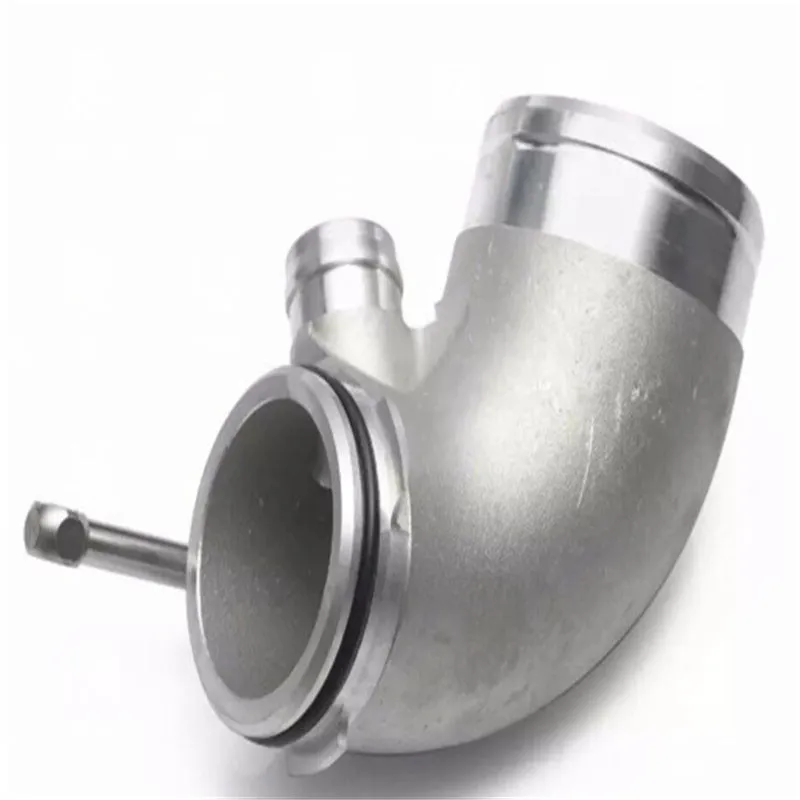
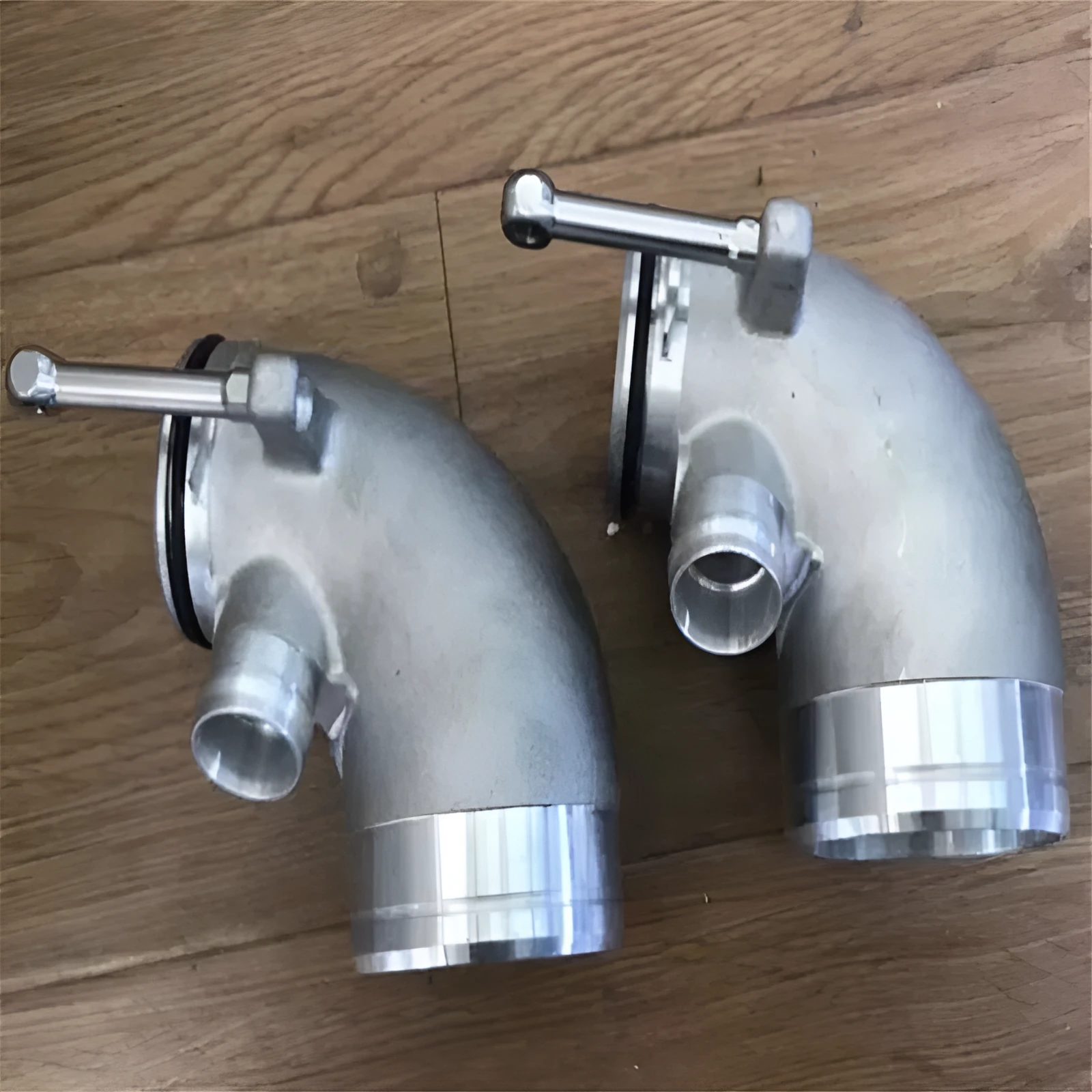
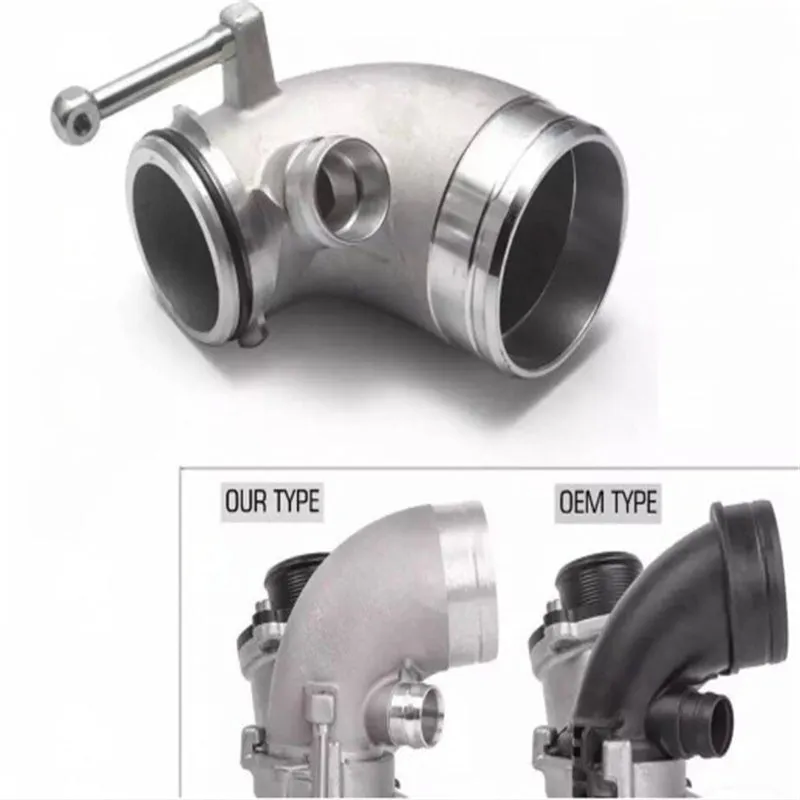
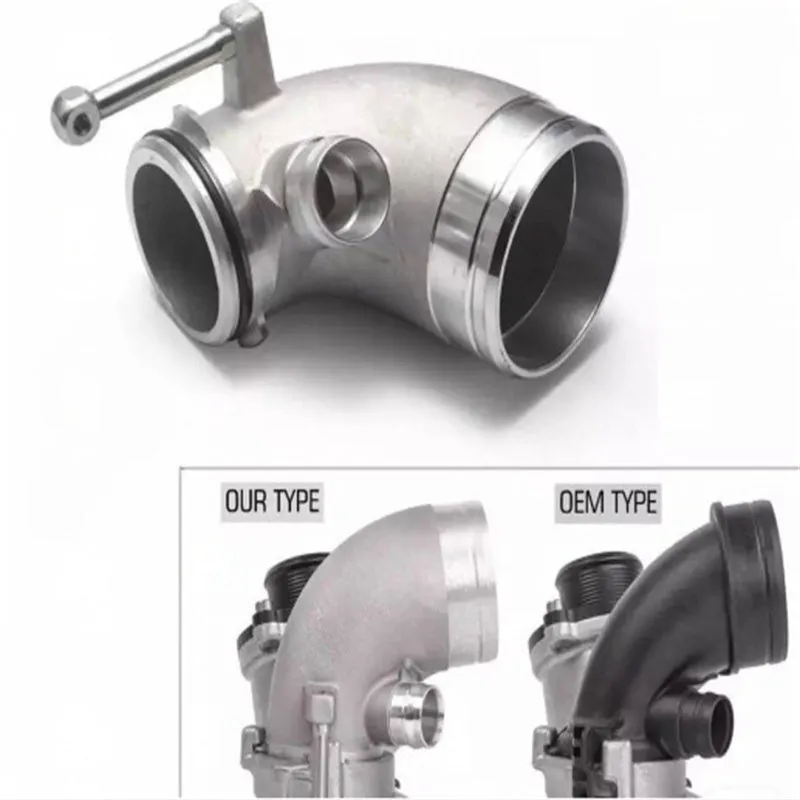
Aluminium alloy 90 degree turbo outlet elbow for lateral-mounted engines, modified plus-sized automotive turbo pipe connector with integrated moulded construction and no welding required


Aluminium alloy 90 degree turbo outlet elbow for lateral-mounted engines, modified plus-sized automotive turbo pipe connector with integrated moulded construction and no welding required
90 Degree Aluminium Turbo Outlet Elbow for Lateral-Mounted Engine Turbo Systems
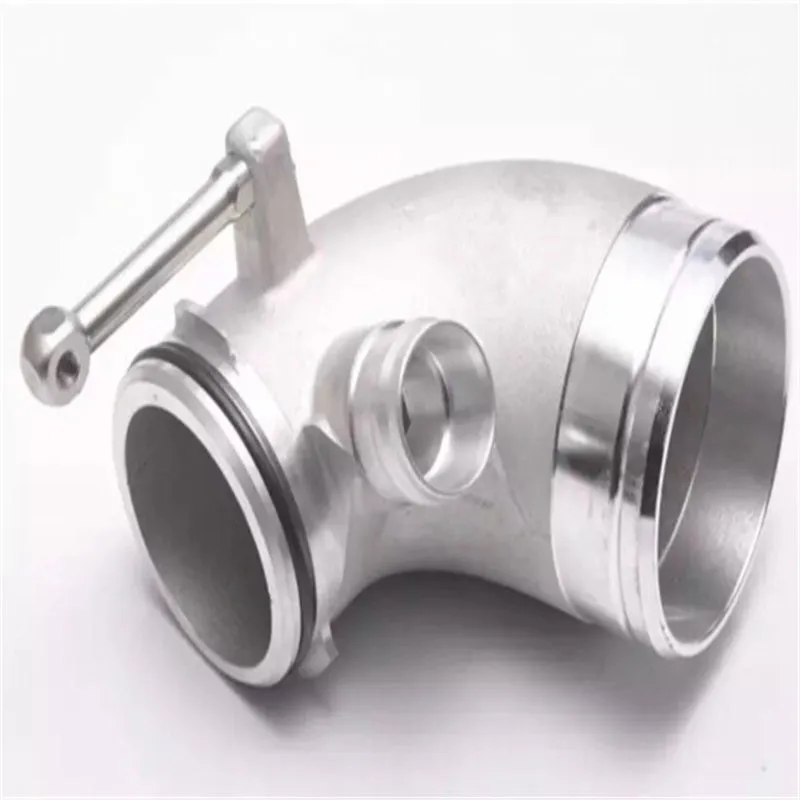
This aluminium alloy 90 degree turbo outlet elbow addresses a specific challenge in modified automotive applications: providing a reliable turbo-to-intercooler or turbo-to-pipe connection in engine bays where space constraints require lateral-mounted turbo positioning. Unlike universal straight pipes that may not fit certain engine configurations, this angled component is designed specifically for installations where the turbocharger's outlet needs to redirect airflow at a right angle. The integrated moulded construction from aluminium alloy eliminates the potential failure points associated with welded turbo pipes, offering a more consistent solution for performance applications where reliability matters alongside fitment.
Features and Construction

This turbo outlet elbow combines specific design features with manufacturing techniques aimed at improving durability in high-temperature, high-pressure turbo applications. The component's construction prioritises structural integrity while maintaining the airflow characteristics needed for efficient turbo system operation.
Material and Build
The elbow is manufactured from aluminium alloy using an integrated moulding process that creates the entire component as a single piece. This construction method eliminates welded seams entirely, which can be vulnerable to cracking under thermal cycling in turbo applications. Aluminium alloy provides a balance of strength and weight savings compared to steel alternatives, while maintaining corrosion resistance and heat dissipation properties relevant to turbocharger exhaust gases. The absence of welding joints means there are no heat-affected zones with potentially altered material properties that could compromise long-term durability.
Size and Practical Fit
With its 90-degree angle configuration, this elbow is specifically designed for engine bays where lateral-mounted turbo positioning creates space constraints that straight pipes cannot accommodate. The "plus-sized" designation suggests dimensions optimised for aftermarket or upgraded turbo systems rather than stock applications, though exact measurements are not provided in the source material. This angled design allows for routing turbo outlet piping around other engine components, suspension elements, or chassis members that might otherwise interfere with a direct linear connection. The fitment is aimed at modified vehicles where factory turbo positioning has been altered or where aftermarket turbo installations require custom routing solutions.
Uses and Placement

This component serves a specific function within modified turbocharged engine systems, particularly where standard factory components won't fit due to altered engine layouts or aftermarket upgrades. Its application is technical rather than aesthetic, focused on solving practical installation challenges in performance automotive contexts.
Event or Professional Use
In competitive motorsport or professional tuning environments, this 90-degree turbo elbow addresses the space constraints common in tightly packaged engine bays designed for weight distribution or aerodynamic advantages. Lateral engine mounting - where the engine is positioned sideways in the chassis - often creates turbo placement challenges that standard components cannot solve. The integrated moulded construction without welding provides reliability benefits important in competitive applications where component failure can mean retirement from events. This makes it suitable for track cars, time attack vehicles, or professional drift builds where modified turbo systems require custom routing solutions.
Everyday Home Use
For modified street vehicles and enthusiast projects, this elbow solves installation issues when upgrading turbo systems or relocating turbos for improved performance packaging. Home mechanics and tuning enthusiasts benefit from the elimination of welding requirements, as this means the component arrives ready to install without needing specialised fabrication skills or equipment. The specific 90-degree angle allows for routing turbo plumbing in engine bays where space is limited by aftermarket intercoolers, custom radiators, or other modifications that weren't present in the original factory configuration. This makes it practical for weekend project cars where fitment challenges might otherwise require expensive custom fabrication.
Benefits and Buying Value
The value of this component lies in its specific solution to a common turbo installation challenge combined with manufacturing techniques that address known reliability concerns in modified automotive applications. Rather than offering universal compatibility, it provides targeted functionality for particular engine configurations.
Reuse and Low Maintenance
The integrated aluminium moulding construction contributes to potential longevity in high-temperature turbo applications by eliminating welded joints that can develop fatigue cracks over repeated heating and cooling cycles. While specific lifespan claims cannot be made without test data, the absence of welding removes a common failure point in aftermarket turbo plumbing. This may reduce maintenance needs compared to fabricated alternatives that might require periodic inspection of welded seams. The aluminium material resists corrosion better than mild steel alternatives when exposed to turbo exhaust gases containing moisture and combustion byproducts.
Why Choose This Product
This turbo outlet elbow is selected when lateral-mounted turbo positioning creates installation challenges that straight pipes cannot solve. The 90-degree angle provides necessary routing flexibility, while the integrated moulding offers reliability advantages over welded alternatives that might fail under thermal stress. It represents a specific solution rather than a universal one - valuable when modified engine layouts or aftermarket turbo upgrades create unique space constraints. The aluminium construction provides a balance of durability and weight savings relevant to performance applications where every component's mass affects vehicle dynamics. This component fills a specific gap in the aftermarket parts ecosystem where standardised solutions exist for common applications but specialised configurations require targeted products.